Powerscourt Waterfall Trail Guide
A 7km round trip to Ireland's highest waterfall. Covers terrain difficulty, best times to visit, and what wildlife you might spot along the way.
Why This Trail Matters
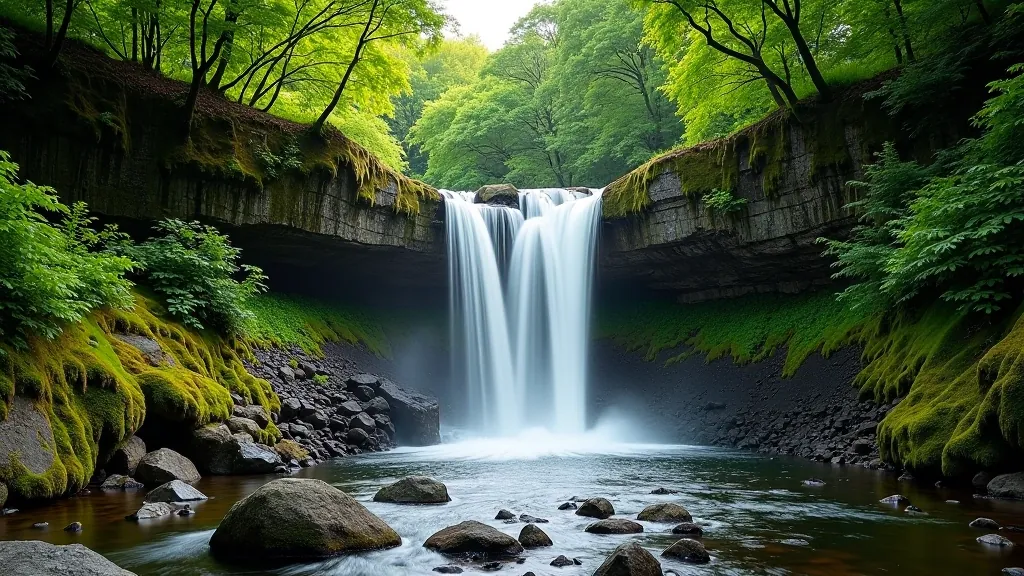
The Powerscourt Waterfall isn't just a scenic spot — it's Ireland's highest waterfall at 130 meters, and it's worth every step. The trail takes you through some of the most diverse terrain on the estate. You'll walk through ancient oak woods, cross mountain streams, and emerge into open moorland with views that stretch for miles.
What makes this trail special isn't just the destination. The journey itself changes as you climb. The landscape transforms from formal gardens to wild countryside. You'll see different plants, different birds, different light on the rocks. Most walkers find the experience meditative. There's something about climbing toward water you can hear but can't yet see.
Understanding the Terrain
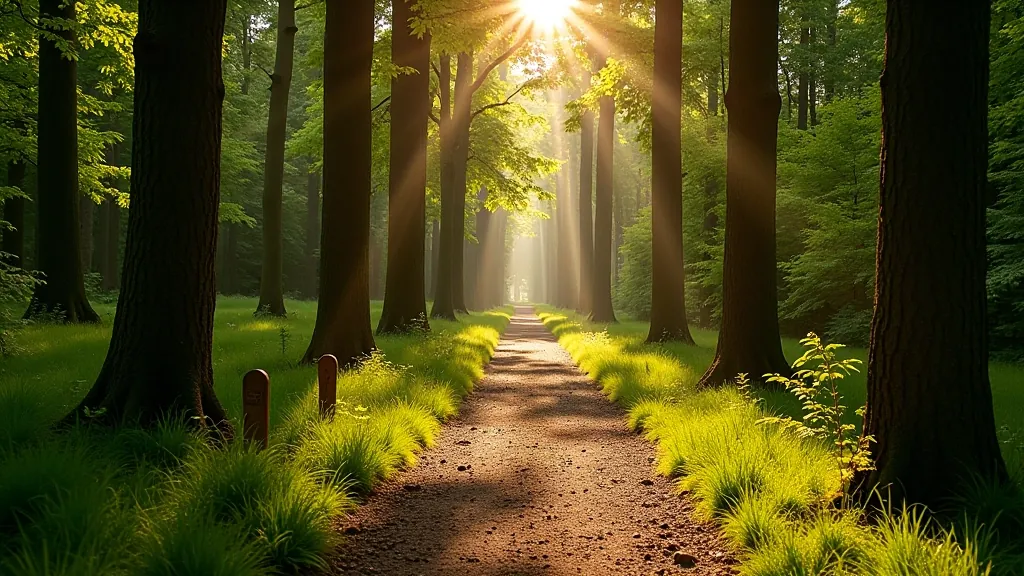
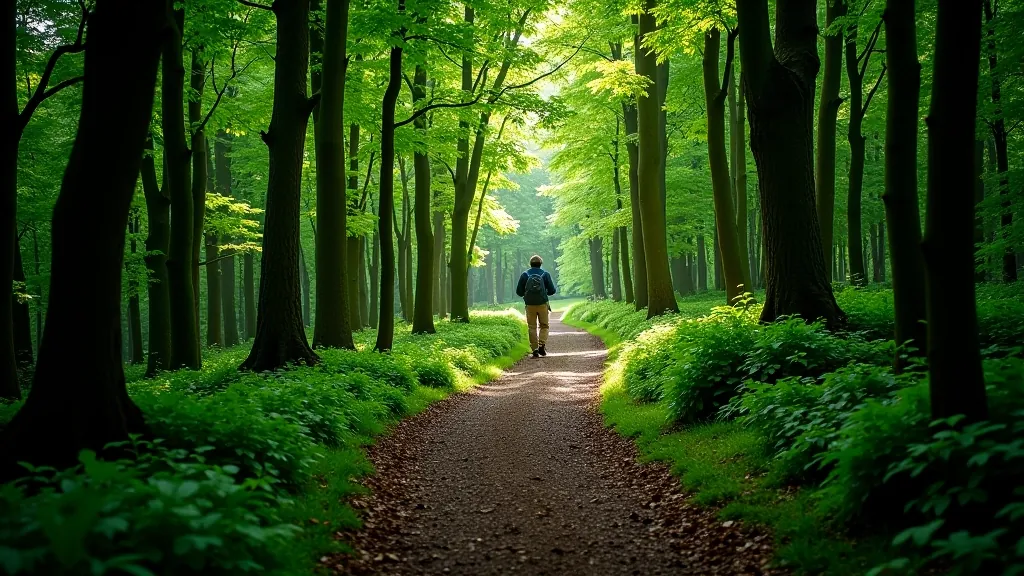
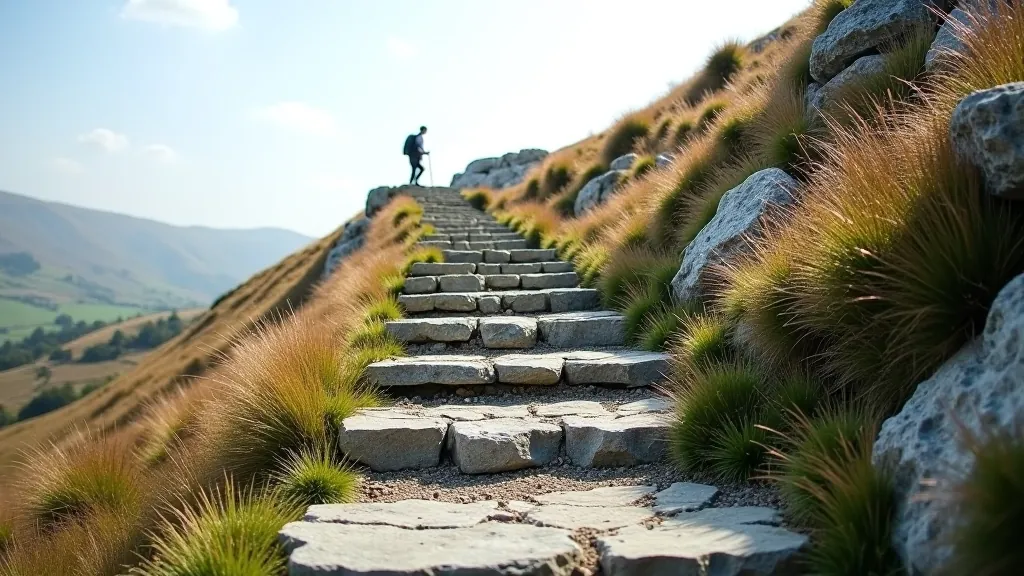
The trail's 7km total distance breaks down into distinct sections, each with different challenges. The first 2km from the visitor center climbs gradually through woodland. It's well-marked and relatively gentle. You'll gain about 150 meters in elevation here, but the forest canopy keeps it shaded.
Things get more serious between kilometers 2 and 4. The path steepens significantly, and you'll leave the trees behind. The moorland section is exposed — no shade, but the views open up completely. This is where you'll see red grouse and mountain hares if you're quiet and patient. The elevation gain here is about 200 meters over a shorter distance.
The final push to the waterfall is the steepest. It's only 1km, but you're climbing roughly 100 meters with some rough stone steps. Don't rush this bit. The ground's uneven, and you want your legs fresh for the descent.
Best Times to Walk This Trail
Spring (March-May)
The waterfall's most dramatic. Snowmelt and spring rains mean it's flowing hard. You'll hear it from further away than any other season. Wildflowers start appearing on the moorland by late April. Weather's unpredictable though — bring a waterproof.
Summer (June-August)
Warmest and longest daylight. The moorland's at its greenest. But the waterfall's at its quietest — less water flow means less impact. The trail's busier with tourists. Early mornings (before 9am) are significantly quieter if you can manage it.
Autumn (September-November)
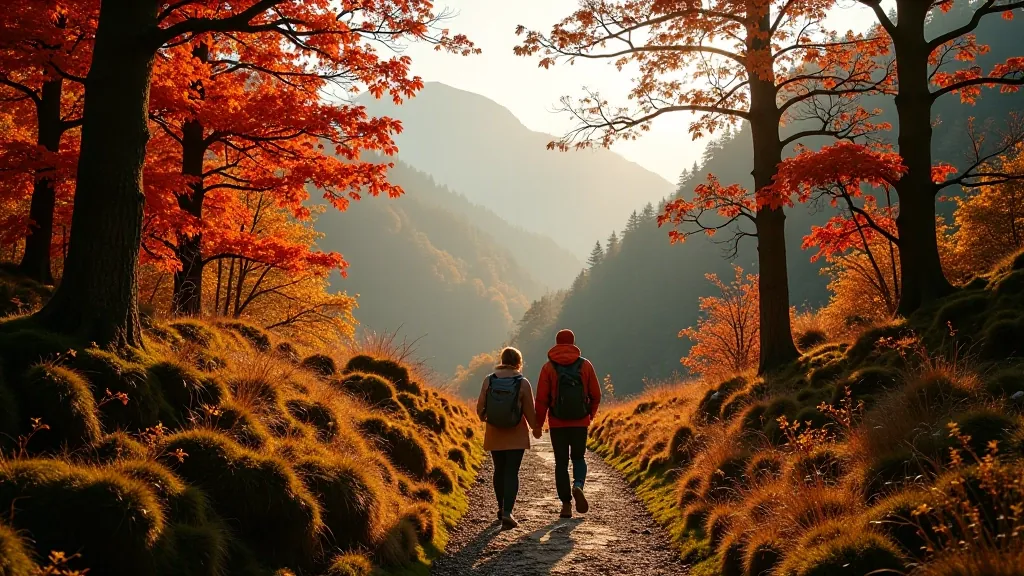
The woodland turns golden. Fewer crowds than summer but still decent weather. The waterfall's picking up flow again as rainfall increases. Visibility's usually excellent. Mid-October is perfect — not too hot, not too wet, and genuinely quiet.
Winter (December-February)
Challenging but rewarding. The waterfall's powerful, sometimes frozen partially at the edges. Shorter daylight limits your window. Ground can be treacherous with ice. Go midweek, dress in layers, and start early.
Wildlife You Might Encounter
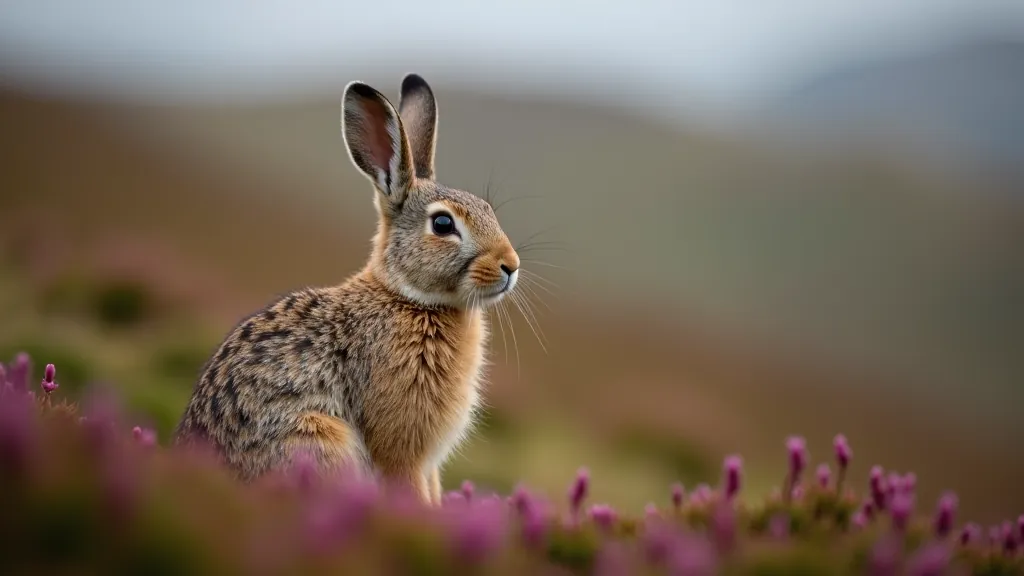
The trail's excellent for wildlife spotting if you know what to look for. The woodland sections host wood pigeons, jays, and if you're lucky, sparrowhawks. The moorland's where it gets interesting. Red grouse are common — you'll likely hear them before you see them, that distinctive "go-back-go-back" call.
Mountain hares live on the moorland year-round. They're brown in summer, white in winter, which makes them nearly invisible in snow. You might see them at dawn or dusk. They're faster than you'd think and incredibly alert, so move slowly and stay quiet.
Around the waterfall itself, you'll see dippers — small birds that actually walk along the stream bottom underwater, looking for insects. They're remarkable to watch. The rocky areas are good for finding adders in warmer months, though they're far more scared of you than you should be of them.
Deer occasionally come through the woodland. You're more likely to spot evidence — tracks, droppings — than the animals themselves. But it happens. The estate's got roe deer and red deer populations. See one, and you've had a genuinely special day.
Practical Information
What to Bring
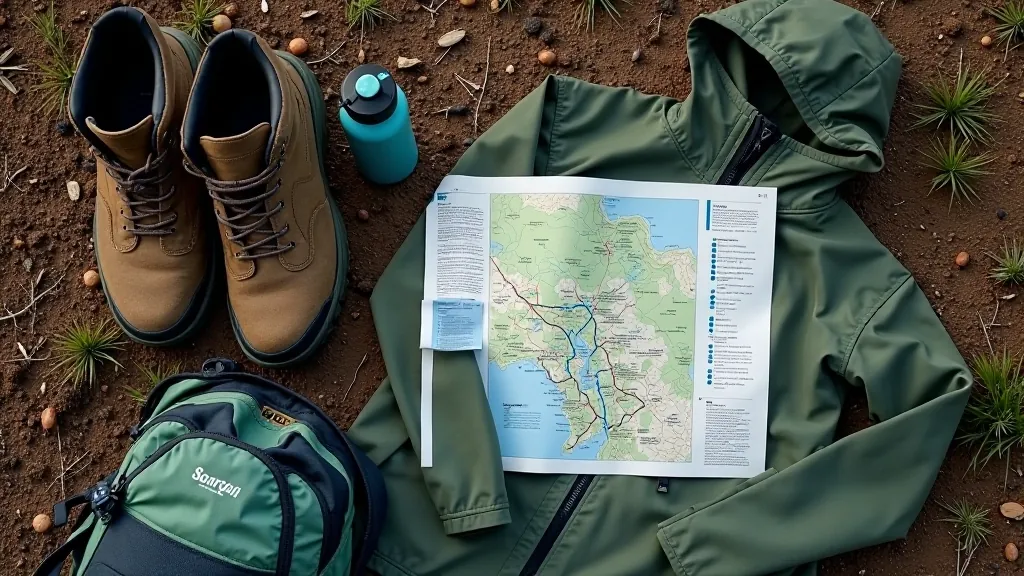
- Good walking boots with ankle support — the moorland section's uneven
- Waterproof jacket and trousers, even in summer — weather changes fast
- 2 liters of water minimum — there's no reliable water source on the trail
- Sun protection — the moorland's exposed with no shade
- Snacks with proper energy — something substantial, not just chocolate
- Phone with offline map downloaded — reception's spotty at elevation
Pacing and Timing
Most walkers take 3-4 hours for the round trip. That includes the climb, the waterfall viewing time, and a more careful descent. Don't rush it. The descent's harder on your knees than the ascent, so take it slow. Start by 10am at the latest if you want to be back before dark in autumn and winter.
If you're less fit or just want a relaxed pace, allow 4-5 hours. There's no shame in that. You'll actually see more wildlife and enjoy the landscape more thoroughly.
The Walk Worth the Effort
The Powerscourt Waterfall Trail isn't a casual stroll, but it's not a brutal slog either. It's a proper walk that demands respect and preparation, but rewards you with something genuinely impressive. You'll feel the achievement when you reach the waterfall. It's real elevation, real distance, and real scenery.
What matters is going at your own pace. The trail doesn't care how long you take. Stop for photographs. Sit and listen to the water. Watch for birds. The experience is as much about the process as the destination. Most people who've done this walk come back. Some do it multiple times a year. You'll understand why when you get there.

Important Disclaimer
This guide is for educational and informational purposes. Hiking and outdoor activities carry inherent risks including weather exposure, difficult terrain, and physical exertion. Conditions on trails change seasonally and can be affected by recent weather. Always check current conditions before heading out, wear appropriate footwear and clothing, and consider your fitness level honestly. If you have health concerns, consult with your doctor before undertaking strenuous walks. The author and publisher aren't responsible for accidents or injuries. Trail safety is your responsibility.